Background: From Solar Farms to Snack Bars
Eamonn’s background is rooted in the electrical trade, having qualified in Ireland and worked on diverse projects worldwide, including residential installations in Vancouver and large-scale solar farms in Calgary. His pivot into the vending industry was sparked by a simple observation while working on a remote man camp project: a high demand for convenient snacks and drinks after hours that existing services failed to meet.
Inspired by online entrepreneurial content, particularly containing Micromart units, Eamonn recognized an opportunity to introduce a modern, convenience-store experience to high-traffic commercial environments.
The Strategy: Patience and Premium Location
Eamonn’s foundational advice for new operators—"patience and location"—is the core of his business strategy.
1. Securing Flagship Locations
Rather than settling for standard vending spots, Eamonn targeted high-end downtown Calgary buildings, understanding that Micromart’s sleek aesthetic was an amenity that property managers would welcome.
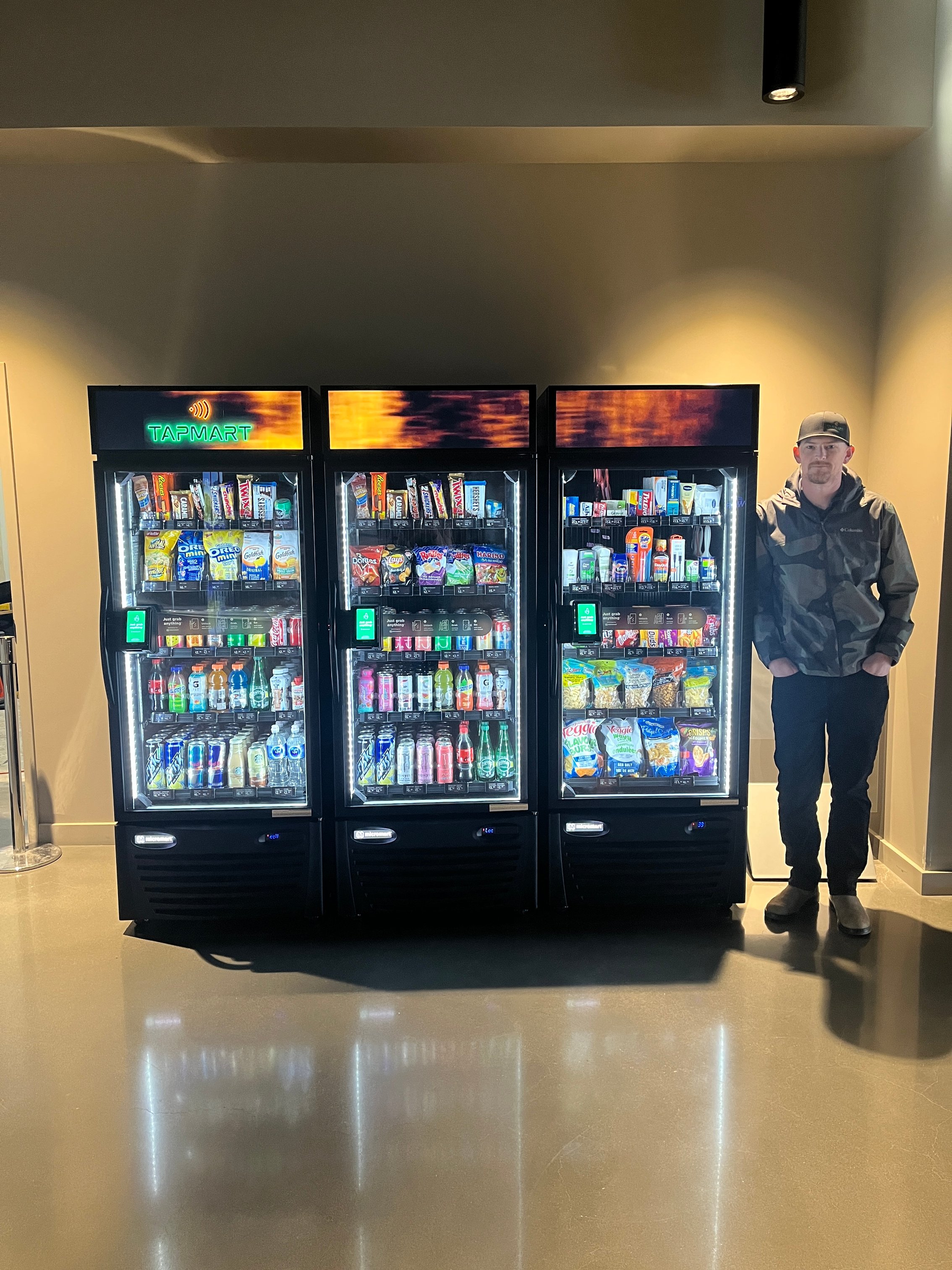
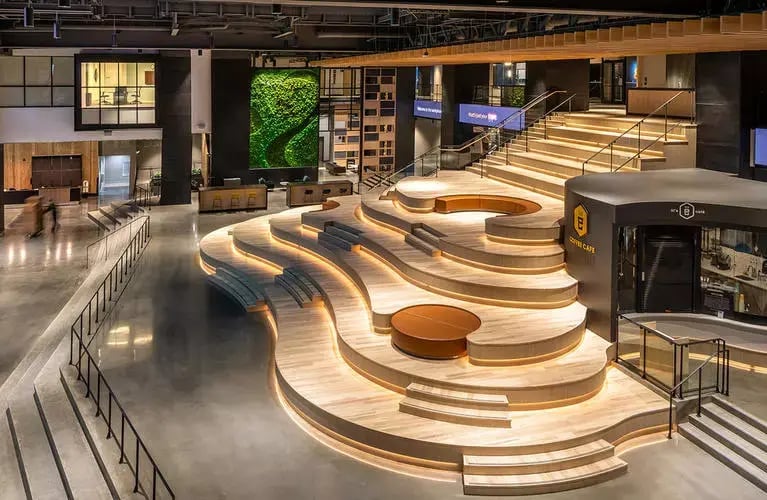
- The Ampersand Success: Eamonn’s flagship location was secured through a serendipitous cold call that led to an immediate connection with the assistant property manager. The building, which had previously failed at a traditional convenience store, was actively surveying tenants for a better solution. The Micromart was viewed as an "incredible" amenity, prompting the installation of three cabinets in the 50,000 sq. ft. lobby.
- Viral Expansion: The success at the Ampersand location immediately generated internal referrals. Within two days of installation, Eamonn received calls from other property managers within the same real estate company's portfolio (spanning Calgary and Edmonton). This organic growth trajectory soon included interest from a massive Vancouver real estate firm, potentially leading to 10-15 more properties.
2. Product and Pricing Refinement
Eamonn initially made common mistakes, such as purchasing too many variety packs, leading to unsold inventory. He quickly refined his procurement process, focusing on high-demand, single-item packaging, even if it meant accepting lower margins initially to ensure efficiency.
- Best Sellers: Energy drinks (Monster, Red Bull), water, Ruffles chips, and high-margin fresh snacks like cheese and crackers are top performers.
- Psychology of Pricing: Eamonn discovered that finding the "perfect sweet spot" for pricing, such as $2.50 vs. $2.75 for a can of pop, drastically impacts volume. A slightly lower, perceived-as-acceptable price point encourages multiple purchases throughout the day.
- Layout Experimentation: Eamonn plans to optimize sales by potentially changing the cabinet layout to a drinks/snacks combination on every shelf, ensuring immediate visibility and convenience.
3. Leveraging Technology and Marketing
Beyond the hardware, Eamonn fully utilizes the Micromart platform to drive sales and customer engagement.
- Analytics and Forecasting: The platform’s robust analytics were crucial for building a strong business plan, securing financing, and moving machines from underperforming to high-potential sites.
Results and Impact
Eamonn's focused business model, which exclusively targets high-end locations with daily foot traffic of 1,000 people or more, is already demonstrating explosive growth potential. Currently, he manages four cabinets across two locations: three at his flagship building and one at a secondary site. In the initial month of operation, the business processed approximately 700 transactions, showcasing strong early adoption and demand.
The customer experience has been overwhelmingly positive, with zero complaints across nearly 700 transactions in the first month and high praise for the speed and convenience of the checkout process. Looking ahead, Eamonn's long-term vision is ambitious: he forecasts expanding to 40 cabinets across 15-20 high-end locations in Calgary, Edmonton, and Vancouver by the end of 2026, driven by the strong interest and organic referrals already generated.
I think out of the 5,000 people that walk into that 50,000 square feet building, we're only getting 30%. The fact that we're making so much money off that 30% is crazy.
Tips for First-Time Operators
Eamonn Greg's advice, drawn from his rapid and successful launch, centers on strategic planning, patience, and operational efficiency:
Strategic & Financial Planning
- Prioritize Location Over Speed: Avoid locations that will only net "five bucks a day." The revenue must be sufficient to cover the platform fee and leasing/purchase costs, and to generate a decent profit. Target high-traffic areas.
- Be Patient with Returns: Understand that the business requires initial investment and time. Eamonn noted that it took him six months to set up and that it would take another six months to "really start seeing the benefit." This is a "short-term pain for long-term gain" model.
- Leverage Micromart Analytics for Business Planning: Use the platform's data to build a robust business plan and accurate forecasting for accountants and bank financing.
Sales and Market Entry
- The Product Sells Itself (Get in Front of People): The Micromart's sleek design and technology are inherently appealing. "You just gotta get in front of them." The positive initial reaction from potential clients is often immediate.
- Use Current Success as a Sales Tool: Once you have one strong location, use it as an irrefutable demo and social proof for new property managers: "Well, this real estate company is rolling out across all their properties, like that's an amenity you don't have."
- Don't Over-Promise on Timeline (Yet): Manage expectations for machine delivery times, but emphasize that the waitlist reflects high demand for a high-quality product.
Operations and Product Management
- Refine Your Product Mix Immediately: Initially, avoid bulk variety packs (e.g., at Costco) as they leave you with unpopular items that expire or don't sell. Focus on buying single, high-demand items to ensure efficiency, even if it means slightly lower margins initially.
- Understand the Psychology of Pricing: Run an experiment to find the "perfect sweet spot." A small price difference (e.g., $2.50 vs. $2.75 for a drink) can dramatically affect volume and perception of value.
- Maintain the "Convenience Store Feel": Service the machines frequently (three to four times a week if necessary for high-volume spots) to ensure empty spaces are restocked quickly.
- Watch Customer Behavior: Dedicate time to sitting near your machine to observe foot traffic, watch people's reactions to prices, and analyze what prompts a purchase.
Engagement and Marketing
- Utilize Media Features: Leverage the screens for promotions and updates (e.g., the Friday notice) to keep tenants engaged and aware of new offerings.
- Plan for a Strong Launch Day: Unlike Eamonn's initial "abysmal" soft launch, plan future launches with balloons, flyers, extra people, and handouts to ensure high visibility and early adoption.
Conclusion: The New Gold Rush
Eamonn Greg views the micro-market industry as a "new gold rush," poised to turn the traditional vending market "upside down."
The most significant personal benefit for Eamonn has been freedom. After years of demanding supervisor roles in construction, he now enjoys the flexibility to manage his time, service his machines, and conduct meetings on his own schedule. A freedom he values more than financial returns alone.
Supported by his wife’s marketing and design skills, Eamonn’s future plans are aggressive: expanding into Vancouver and Edmonton, launching a dedicated competition business, and eventually exploring distribution. Eamonn’s story is a testament to how a strategic, patient, and quality-focused approach can transform a side hustle into a rapidly scaling, multi-city enterprise.